
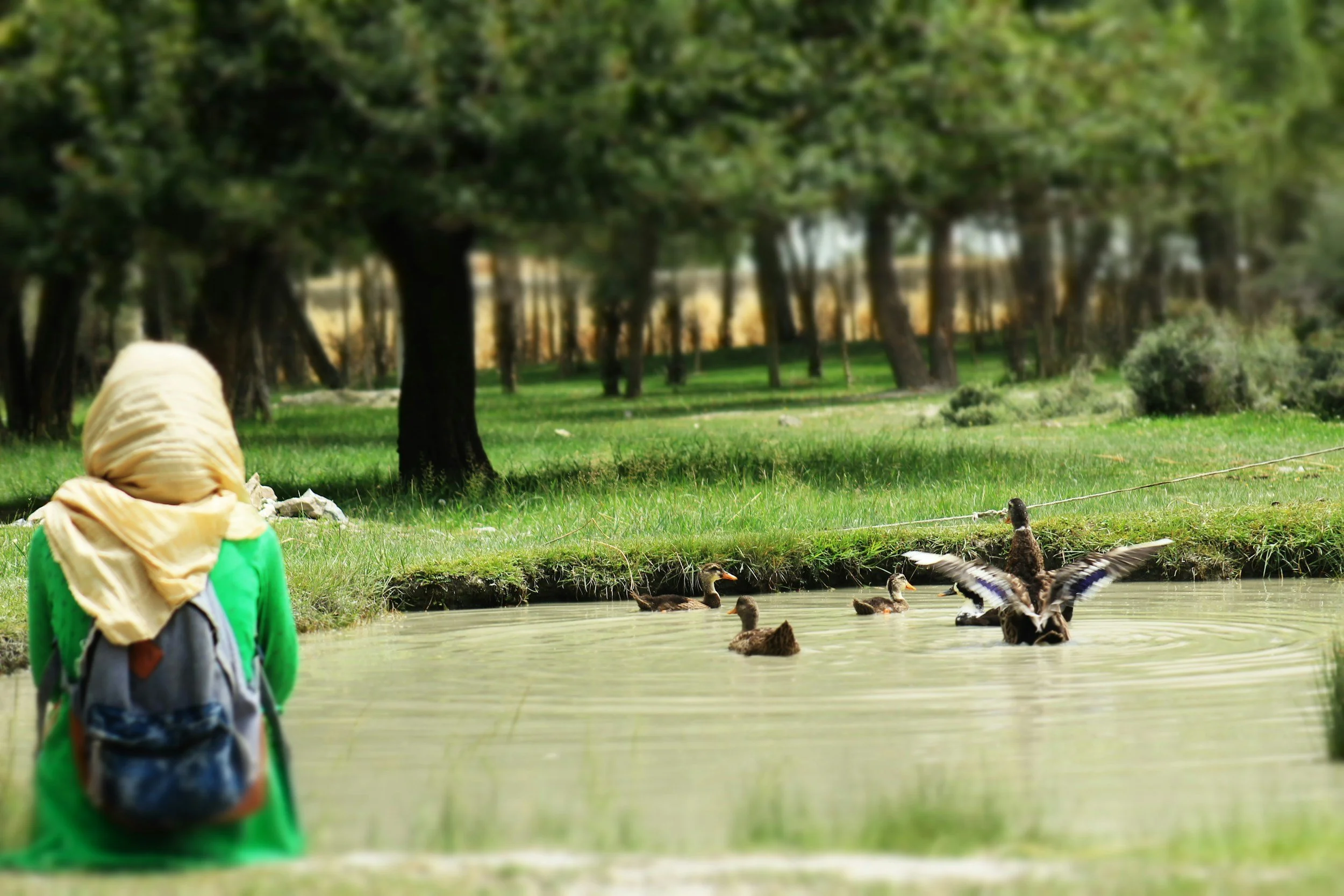
Participation
Participation shapes how decisions are made, whose perspectives are considered, and what becomes possible.
And yet, participation is most often understood within human terms.
Human systems invite human voices.
Human processes reflect human priorities.
Human decision-making remains largely human-centred.
Other beings are affected continuously by human decisions.
Other animals.
Waters.
Forests.
Ecosystems.
And yet, they are rarely recognised as participants within the processes that shape their lives and environments.
Listening begins to shift this.
As interspecies perspectives become perceptible, a deeper question begins to emerge:
What changes when participation is no longer limited to humans?
This does not mean speaking for Nature.
Humans are already part of Nature, and human decisions continuously shape the lives of other beings and ecosystems.
Yet these decisions are most often made through human perspectives alone, without inviting interspecies participation or listening.
It begins simply… With recognising that other beings have perspectives, preferences, responses, and ways of relating to the world that may hold relevance within shared decisions.
Participation is not only about voice.
It is also about consideration.
About recognising relationship.
Interdependence.
Responsibility.
When participation expands, decision-making may also begin to change.
Not through control.
Not through certainty.
Through a willingness to listen, include, and remain in relationship with the living systems humans are already part of.
Participation shapes relationship.
Relationship shapes responsibility.
Who is included in the decisions that shape the living world?
What becomes possible when participation begins to expand beyond the human?
← Back to Insights